The trip you have always meant to take.
African safari and Galápagos expeditions, planned for the once-in-a-lifetime they are. Camp selection, charter flights, conservation-first operators, and the care a bucket-list trip deserves.
The trip you do once and never forget.
An African safari is the kind of trip that earns the word bucket-list. So is the Galápagos. Both require planning a different way from a Caribbean week. The right camp matters. The right week of the year matters. The right operator matters more than almost any other trip.
I work with the safari operators who put conservation first, treat their guides as professionals, and run the camps you would actually want to wake up in. South Africa, Kenya, Tanzania, Botswana. Galápagos via small expedition vessel.
Charter flights between camps. Private vehicle versus shared. Tented camp versus permanent lodge. Big-five versus rhinos-only conservancy. Migration crossing versus calving season. These are the conversations I have with you before I plan anything.
Safari is the trip no one books on a website.
The camps you would actually want are not on the booking engines. The right operator is the difference between a great trip and a heartbreaking one.
Camp selection.
The camp is the trip. Tented camps with eight beds versus permanent lodges with eighty. Conservation-first versus volume operators. I pick the camps that match the trip you want.
Logistics on a different scale.
International flights, internal charters between camps, time-zone changes, visa requirements, vaccination guidance. The logistics are real. I handle them.
Conservation-first operators.
Some safari operators put the wildlife and the communities first. Some do not. I work only with the ones that do.
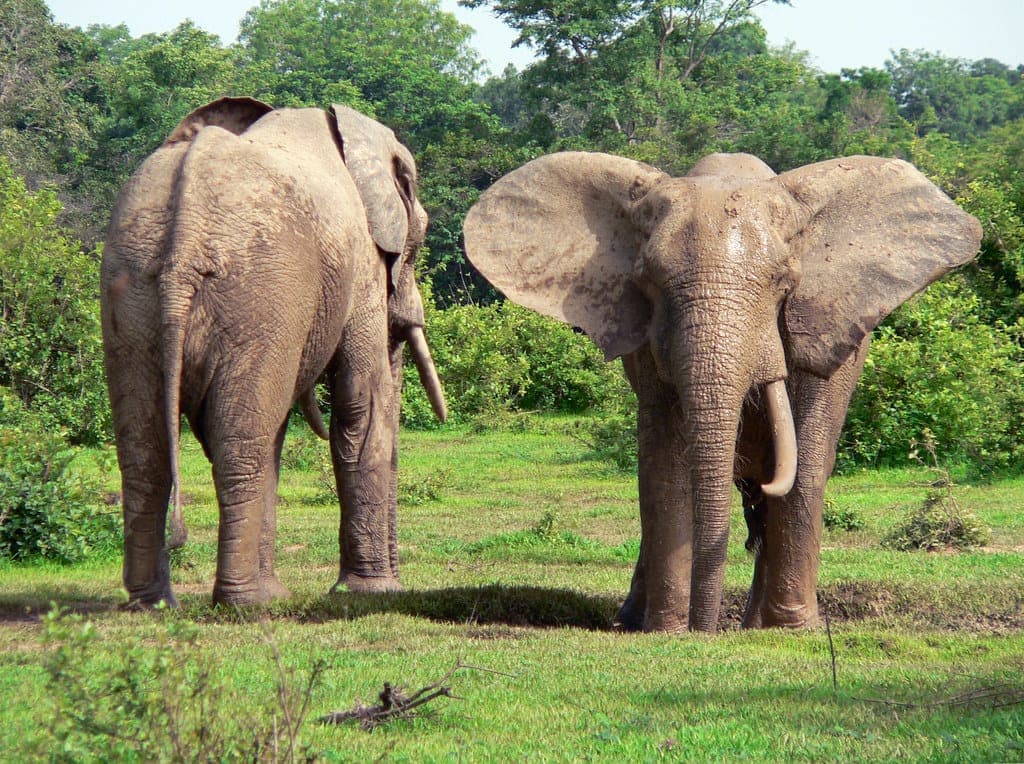
Kenya, Tanzania, and the Great Migration.
East Africa is the canonical safari geography. Kenya and Tanzania share the Mara-Serengeti ecosystem, where the Great Migration of over a million wildebeest, zebra, and gazelle moves in an annual circuit. The river crossings in the northern Serengeti and the Mara peak from July through September.
Tanzania camps in the Serengeti, Ngorongoro Crater, and Tarangire are excellent. Kenya camps in the Maasai Mara conservancies (Mara North, Olare Motorogi, Naboisho) offer off-road game drives that the national reserve does not allow.
A typical East African safari is ten to fourteen nights with three to four camps. Charter flights connect them. The pacing matters.
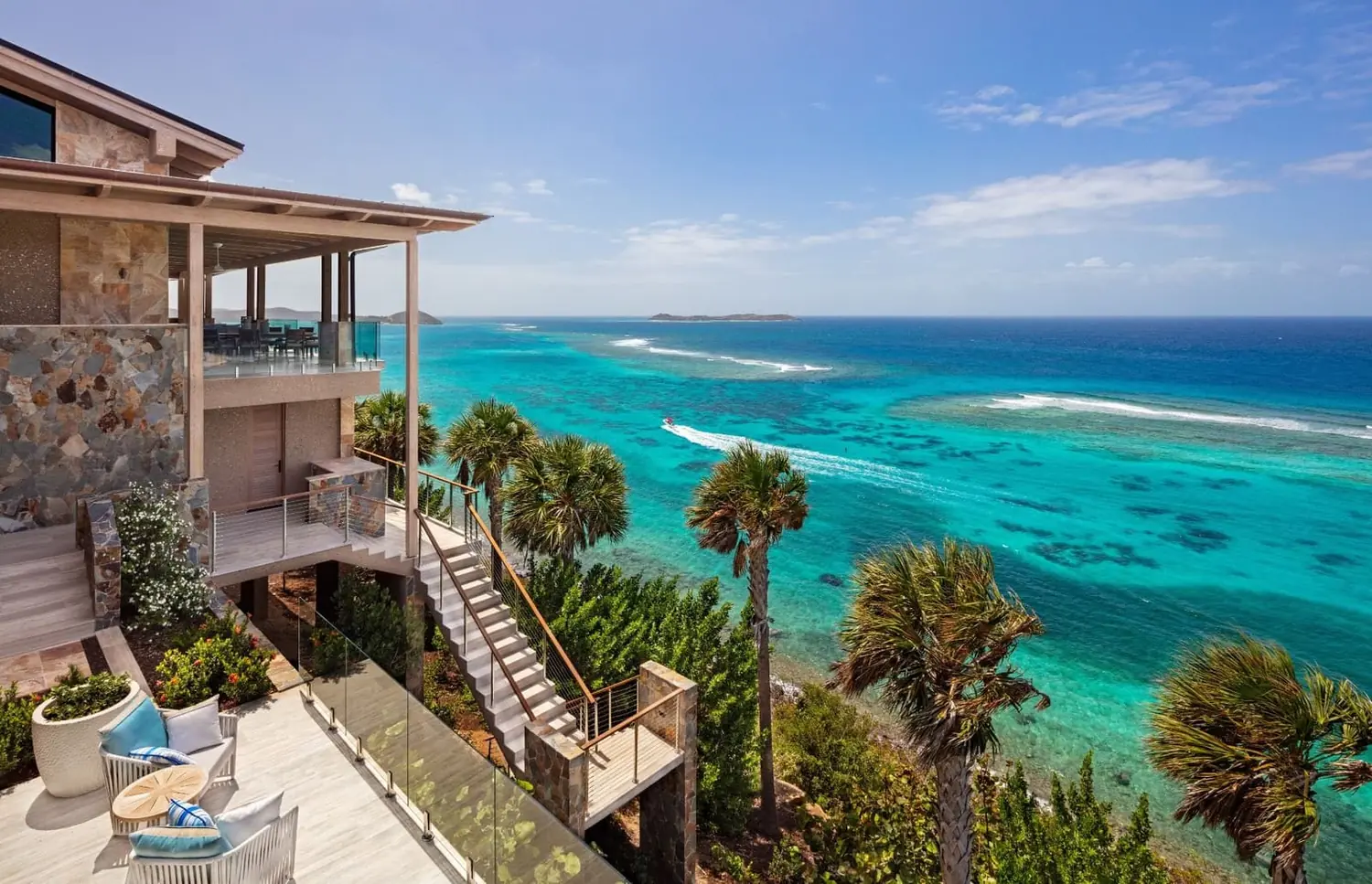
South Africa, Botswana, and the Okavango.
South Africa is the most accessible first-safari destination. Direct flights from major US hubs, strong infrastructure, and the Sabi Sand and Greater Kruger reserves with some of the finest big-cat viewing on the continent. Cape Town as a pre- or post-safari city pair is unmatched.
Botswana is more remote, more premium, and home to the Okavango Delta where game viewing happens partly from a mokoro (dugout canoe). Wilderness Safaris and andBeyond run the standard-setting camps. Charter flights are the only way around the country.
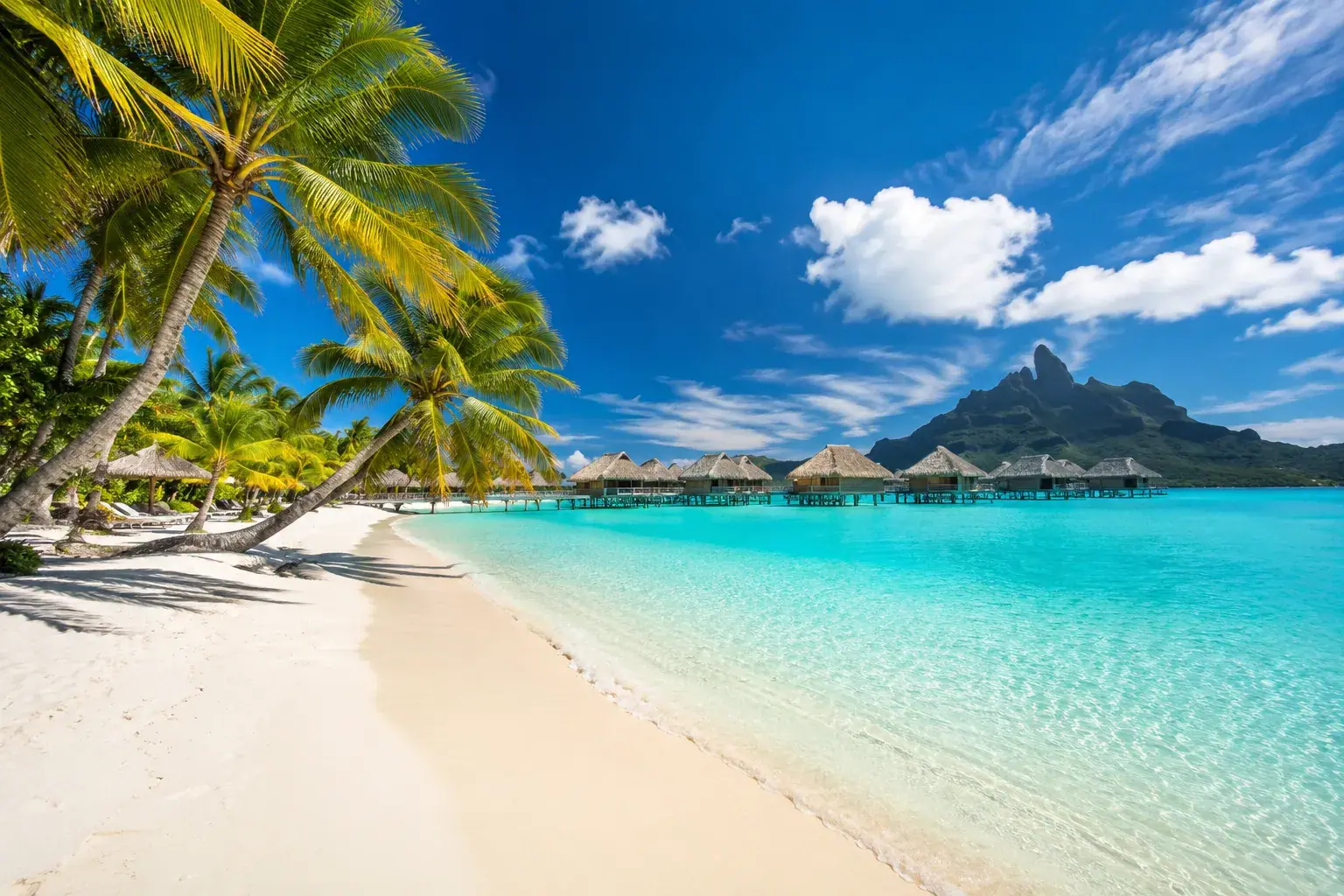
The islands that teach you how to look.
The Galápagos archipelago is a different kind of bucket-list trip. A six-to-ten-night small-ship expedition cruise (Lindblad-National Geographic, Silversea Expeditions, Ecoventura, Aqua) sails between islands. Naturalist-led shore excursions are twice daily. The wildlife approaches the boat, not the other way around.
Sea lions on the beach. Giant tortoises in the highlands. Marine iguanas warming on lava rock. Blue-footed boobies on the cliffs. Penguins at the equator. Frigate birds inflating their throat pouches.
Ecuador entry and Galápagos National Park rules are particular. A pre-Galápagos night in Quito or Guayaquil is required. Mainland Ecuador extensions (Amazon, Andes) pair beautifully.
Wendi has planned amazing vacations for my family for the past five years, and solo trips when I need to get away. She knows her stuff.Angela W.Repeat client, five years
What people ask first.
What countries should I visit on a first safari?
Kenya, Tanzania, South Africa, and Botswana. Kenya and Tanzania offer the Great Migration. South Africa is the most accessible. Botswana is more remote and premium.
When is the best time to go on safari?
June through October is the dry season with the best wildlife viewing. The Great Migration river crossings peak in late July through September. The green season is excellent for birding and quieter camps.
How much does a safari cost?
A real safari is $8,000 to $20,000 per person for ten to fourteen nights. The premium tier runs higher. Mid-tier comfort camps deliver a similar wildlife experience at lower cost.
Is a safari family-friendly?
Yes for children eight and up. Most camps welcome older children for game drives. Younger children require family-specific camps with private vehicles.
How does the Galápagos compare to an African safari?
Galápagos is a marine-and-island wildlife expedition typically on a small expedition vessel of sixteen to one hundred guests. Different from safari, equally bucket-list.
Do you handle visas and vaccinations?
I advise on visa requirements and recommended vaccinations. Vaccinations are handled by your travel medicine provider. I coordinate the visa applications with camp confirmations.
Ready to plan the trip you have always meant to take?
Tell me who is going and when. Safari and Galápagos trips need planning runway. The earlier we start, the better the camps.